
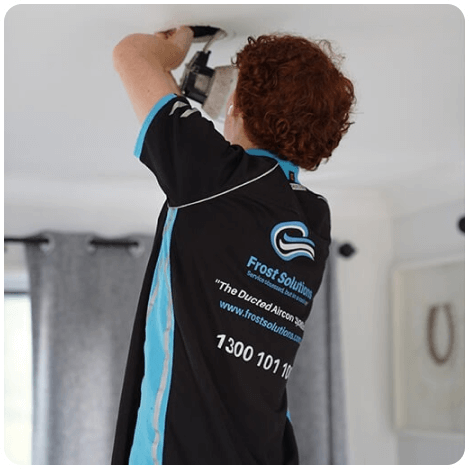
Why does air duct cleaning matter?
Every bit of air your ducted system cools passes through the ducts several times an hour. If the ducts hold dust, debris or mould, the system blows a little of it back into every room. Cleaning removes that build-up, which improves indoor air quality and helps the system run efficiently.
Over time, ducts collect dust, debris, mould and other contaminants that can affect the air you breathe and lead to health complaints. On the Gold Coast, humid summers and long running hours make moisture and mould more likely than in drier climates. Below we explain the benefits of duct cleaning, the signs it is due, and how a professional clean is done.
What are the benefits of cleaning your air ducts?
Clean ducts mean better indoor air quality, fewer allergens and irritants circulating, less chance of mould, and better airflow so the system works less hard. The benefits are greatest for households with asthma, allergies or pets, and for systems that run most days through a humid summer.
Improving indoor air quality
Ducts can harbour dust, pollen, pet dander and mould spores, which then circulate through the house each time the system runs. Removing that accumulated material gives you cleaner air and a healthier home. Pair it with a good return-air filter so the ducts stay cleaner for longer.
Reducing allergens and irritants
Dust mites, mould and pet dander aggravate allergies, asthma and other respiratory conditions. Cleaning the ducts, the return-air filter and the indoor coil removes a major reservoir of these irritants, which can mean fewer symptoms and better sleep, particularly in bedrooms served by the system.
Preventing mould growth
Moisture in ducts, often from condensation on poorly insulated ducts or a blocked drain at the indoor unit, creates ideal conditions for mould. Mould brings musty smells and health risks. Cleaning removes existing growth; fixing the moisture source stops it coming back. We check insulation and drainage as part of the job.
Enhancing system efficiency
Dust and debris restrict airflow, so the system has to work harder and run longer to reach the set temperature, using more electricity. Clean ducts, a clean filter and a clean indoor coil let air flow freely, so the system cools faster and costs less to run. Our rejuvenation eco clean targets the coil and fan, where much of the build-up sits.
When should you have your air ducts cleaned?
Have the ducts cleaned when you can see contamination, after renovations or building work, after any pest problem in the roof, and otherwise every three to five years as part of regular maintenance. Households with allergies, asthma or several pets may benefit from shorter intervals.
Visible signs of contamination
Dust streaks around outlets, debris blowing out when the system starts, mould spots on grilles, or a musty smell when the system runs are clear signs. Book a clean as soon as possible so the build-up does not spread further through the system.
Recent home renovations or construction
Sanding, plastering, cutting tiles and demolition create fine dust that is drawn into return-air grilles. If the system ran during the work, the ducts and filter will have taken a share. Clean them once the work is finished, and ideally cover returns or switch the system off during dusty jobs.
Pest infestations
Rats, mice, cockroaches and possums in the roof space can damage ducts and leave droppings, nesting material and smells inside them. Once the pest problem is dealt with, the affected ducts need a professional clean, and sometimes replacement. See ductwork replacement and repairs.
Regular maintenance schedule
Even without obvious problems, building duct cleaning into your maintenance schedule keeps the system clean and efficient. The right interval depends on how many people and pets live in the house, how much the system runs, and how close you are to dust sources such as busy roads or building sites. Every three to five years suits most homes.
How is air duct cleaning done?
A technician first inspects the ducts, filter and indoor unit to see how dirty they are and whether anything is damaged. They then clean using brushes, rotary tools and high-powered vacuums, and finish by refitting and sealing everything and checking the system runs with good airflow from every outlet.
Inspection and assessment
The technician checks the return-air filter, outlets, accessible ducts and indoor unit, and looks for damage, crushed runs, leaks and signs of moisture. This tells them which cleaning method to use and whether any section is better replaced than cleaned.
Cleaning process
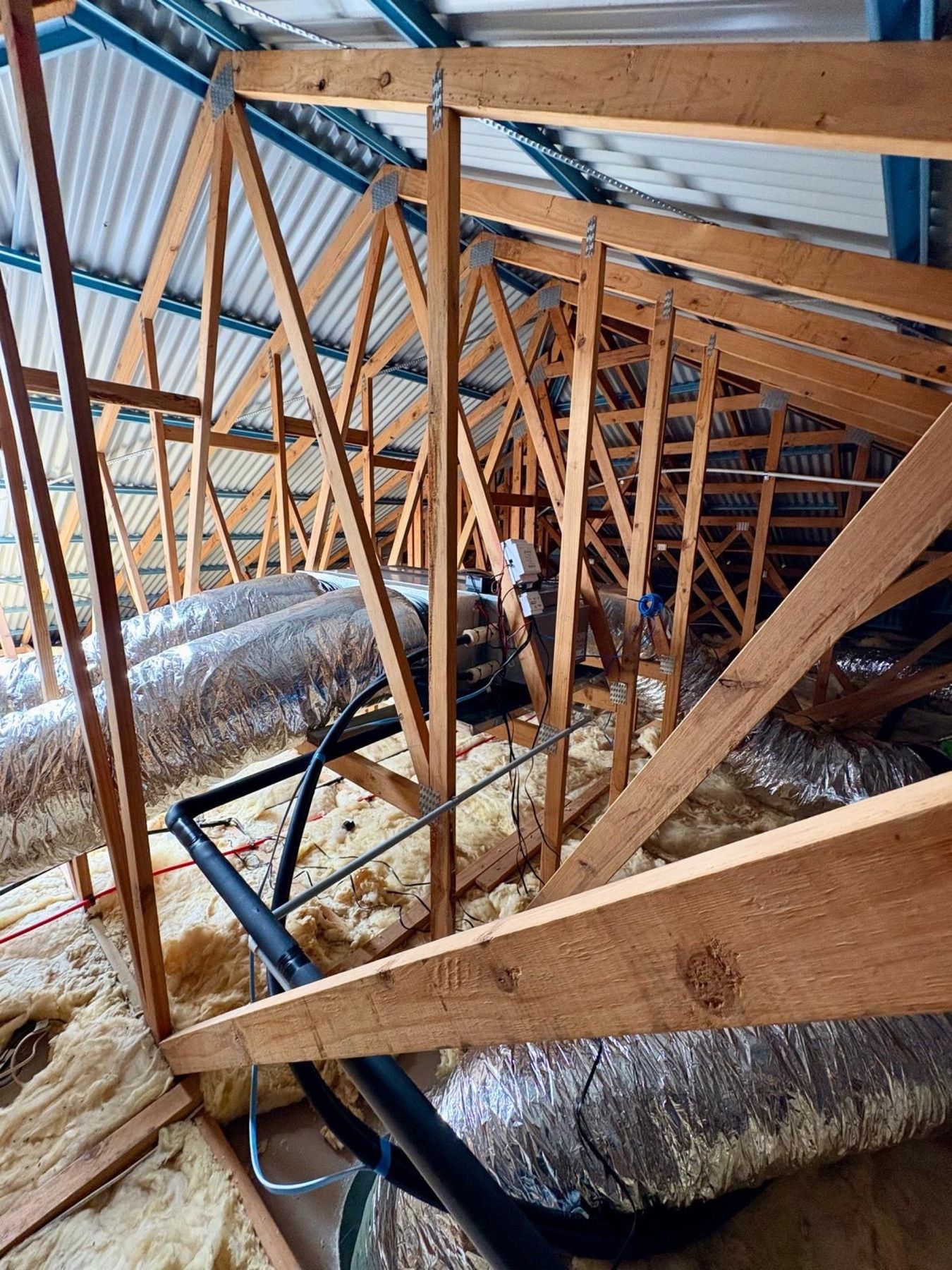
Depending on the build-up, cleaning may involve manual brushing, vacuuming, and specialist equipment such as rotary brushes and high-powered vacuums to dislodge and remove contaminants. Flexible ducts are handled carefully because they tear if treated roughly. Outlets and the return-air grille are cleaned, and the filter is cleaned or replaced.
Sealing and reassembly
Any access points opened during the clean are sealed, the outlets and filter are refitted, and the system is run to confirm good airflow and correct operation. If we find leaks or damaged insulation along the way, we will show you and quote the repair before doing any extra work.
What is the bottom line?
Air duct cleaning improves indoor air quality, reduces allergens, helps prevent mould and lets your system run efficiently. Whether it is prompted by visible dust, a renovation, pests or simply time, a professional clean is a sensible part of looking after a ducted system. To book one, or to find out whether your ducts need cleaning or repair, request a quote or call us.