
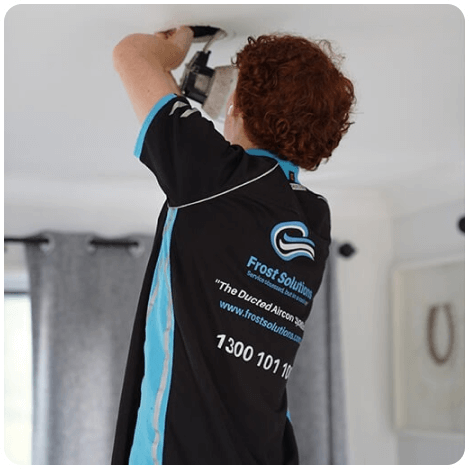
Why do air ducts matter so much?
Ducts are hidden in the roof, but they are the delivery system for your ducted air conditioning. If they are badly sized, leaking or poorly insulated, cooled air is wasted before it reaches the rooms, some rooms stay hot, and the system works harder. Good design and maintenance fix all three.
Proper duct design and upkeep give you efficient airflow, balanced temperatures and the best performance from the equipment you paid for. Below we cover why design matters, the most common ductwork problems we find in Gold Coast roofs, and practical maintenance tips.
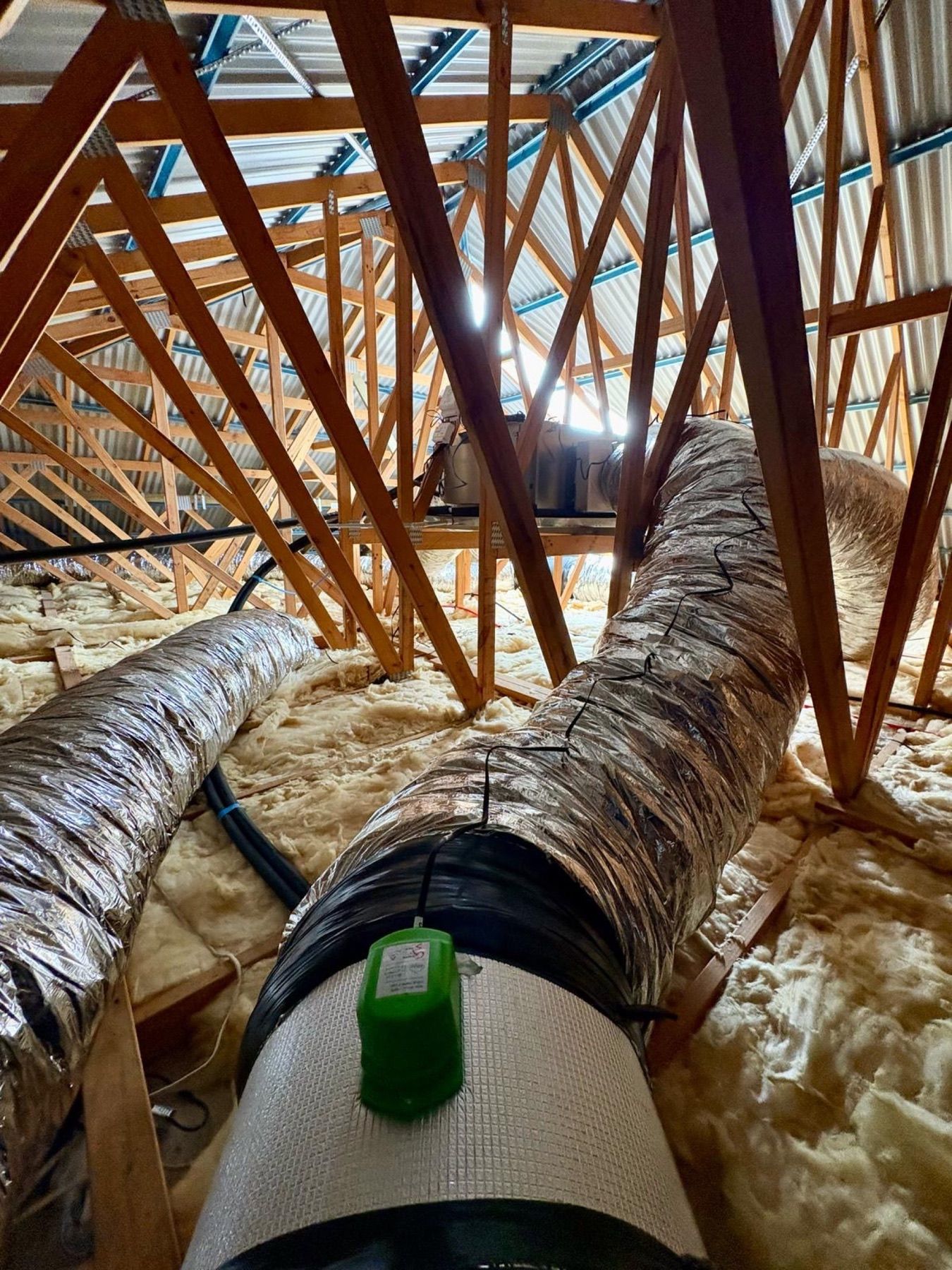
What does good air duct design achieve?
Good duct design delivers the right amount of air to each room, so temperatures stay even; minimises leaks, restrictions and pressure problems, so less energy is wasted; and keeps the indoor unit working within its design limits, so it lasts longer and breaks down less often.
Efficient airflow distribution
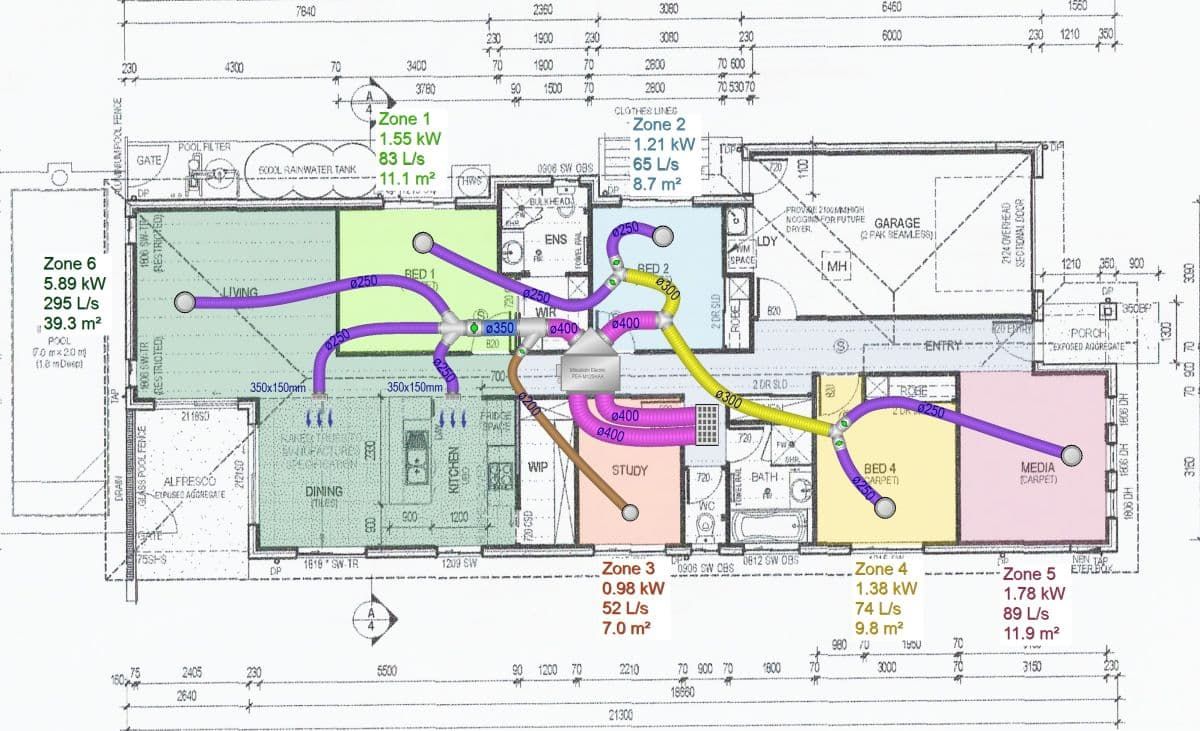
Each room needs airflow in proportion to its heat load. A west-facing living room with large windows needs more than a small, shaded bedroom. A well-designed system sizes each duct and outlet to suit, so every room reaches a similar temperature without hot and cold spots.
Energy efficiency
Ducts that are correctly sized, sealed and insulated lose less cooled air into the roof space and need less fan power to push air through. That means lower running costs and less wasted energy. In a Queensland roof space, which gets extremely hot in summer, insulation quality makes a real difference.
System performance and lifespan
Duct design directly affects airflow, air quality and equipment efficiency. If the ducts restrict airflow, the indoor fan and compressor strain, the coil can freeze, and components wear out early. Properly designed ducts let the system run as the manufacturer intended, which reduces breakdowns and repairs.
What are the most common ductwork problems?
The problems we see most often are air leaks at joints, thin or damaged insulation, restricted airflow from crushed, kinked or overly long runs, and an unbalanced design where some rooms get too much air and others too little. Each one wastes energy and reduces comfort.
Air leaks
Leaks at joints, take-offs and the plenum let cooled air escape into the roof space instead of reaching your rooms. They raise running costs, reduce comfort and can draw dusty roof-space air into the system, affecting indoor air quality.
Poor insulation
Ducts with thin, torn or compressed insulation absorb heat from the roof space in summer and lose heat in winter. They can also sweat, dripping condensation onto ceilings and encouraging mould. The result is higher bills, uneven temperatures and lower performance.
Restricted airflow
Sharp bends, kinks, crushed sections (often from people walking in the roof) and runs that are longer than they need to be all restrict airflow. Rooms at the end of those runs get less air, and pressure imbalances make the system less efficient and noisier.
Unbalanced design
Ducts that are the wrong size, or a layout that does not match each room’s heat load, push too much air into some rooms and too little into others. This causes uneven temperatures, discomfort, extra wear on components and, over time, premature failures and costly repairs.
How should you maintain your air ducts?
Inspect the ducts periodically, have any leaks sealed properly, make sure insulation is intact, keep outlets and return grilles clear, and arrange professional duct cleaning when dust builds up. Most of this can be done during a regular service.
Inspect ductwork regularly
Ask your technician to check the ducts during each service, looking for damage, disconnections, leaks and obstructions. Finding problems early prevents energy waste and keeps the system efficient. If you have had work done in the roof, such as new downlights or solar cabling, it is worth a check afterwards.
Seal air leaks
Leaks should be sealed with duct tape rated for the job or mastic sealant, and loose connections properly re-fixed. This improves efficiency and comfort and reduces energy use.
Ensure adequate insulation
All ducts in the roof space should be insulated to limit heat gain and loss, keep temperatures consistent and prevent condensation on the duct surface. Damaged sections should be repaired or replaced. On new installations we offer an R1.5 ducting upgrade.
Optimise airflow
Keep outlets open and return-air grilles unblocked by furniture or curtains. Closing too many outlets can raise duct pressure and strain the fan; use the zone controller instead, which is designed for it.
Schedule professional duct cleaning
Over time, ducts collect dust and debris. Periodic professional cleaning improves air quality, reduces allergens and keeps the system efficient. Read why air duct cleaning matters.
What is the bottom line?
Proper duct design and maintenance give you even temperatures, efficient running and a longer-lasting system. If your ducts are leaking, poorly insulated, restricted or unbalanced, fixing them often improves comfort more than replacing the unit. For a new system, a room-by-room design is the place to start; design your system or book a free quote.