
Why is choosing the right air conditioning system important?
The system you choose shapes your comfort, running costs and budget for years. Options range from whole-home ducted systems to single wall splits and portable units, and each suits different homes. Matching the type and size to your house and how you live is what makes a system good value.
This guide reviews the main types of air conditioning available in Australia, the key factors to compare, and how to assess what your home actually needs, so you can make an informed decision.
What are the different types of air conditioning systems?
The four main types for homes are ducted (called central air in the US), split systems, multi-head systems (often called ductless mini-splits overseas) and portable units. Ducted, split and multi-head systems are almost always reverse cycle, so they heat as well as cool.
| Type | Best for | Things to know |
|---|---|---|
| Ducted | Whole homes, three or more rooms | Needs roof space; zoning controls which rooms get air; outlets only visible in the ceiling |
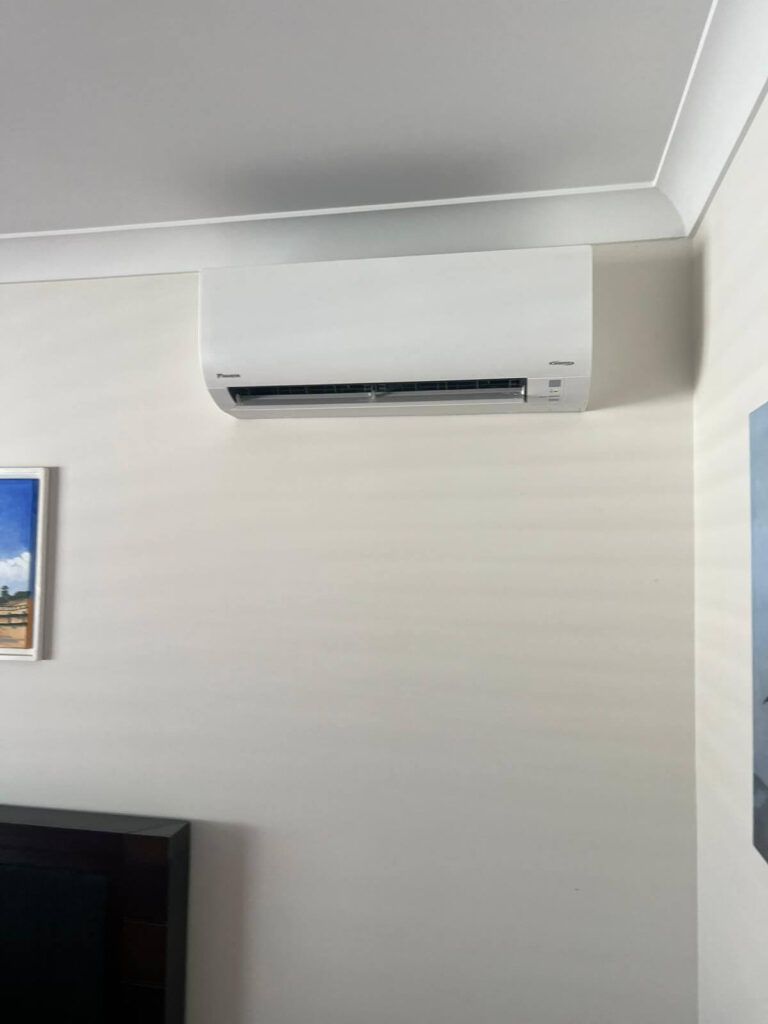
| Split system | One room or open-plan area | No ducts; indoor unit on the wall; quick to install |
| Multi-head | Two to several rooms | Several indoor units on one outdoor unit; saves outdoor space |
| Portable | Renters, temporary cooling | Least efficient; noisy; needs a hose vented through a window |
1. Ducted air conditioning (central air)
Ducted systems use insulated ducts to carry air from an indoor unit in the roof space to outlets in each room. The outdoor unit contains the compressor and condenser coil; the indoor unit contains the evaporator coil and fan. Zoning lets you choose which rooms get air. They suit larger homes and anyone who wants whole-home comfort without units on the walls.
2. Split system air conditioners
A split system has an outdoor unit and an indoor unit connected by refrigerant pipes and cabling. They are flexible to install and suit homes without ductwork, or for cooling a specific area such as a bedroom, granny flat or home office, including alongside an existing ducted system.
3. Multi-head (ductless multi-split) systems
A multi-head system runs two or more indoor units, mounted on walls or ceilings, from one outdoor unit. Each room has its own controls, so you get targeted cooling without ducts and with only one outdoor unit to place, which helps in townhouses and narrow side setbacks.
4. Portable air conditioners
Portable units are self-contained and can be moved from room to room. They vent hot air through a hose to a window or door. They suit small spaces or short-term needs, but are noisier and much less efficient than a split system. Window and wall units are another option for some situations.
What factors should you consider when choosing an air conditioning system?
Compare four things: the right size for the space, energy efficiency on the Australian energy rating label, the total cost including running costs, and what the installation involves in your home. Getting the size and installation right matters as much as the brand.
1. Size
The system’s capacity, in kilowatts, must match the cooling load. Undersized systems struggle on hot days; oversized ones waste energy, cycle on and off and leave rooms clammy. In the US this is calculated with “Manual J”; in Australia, installers use a heat load calculation that accounts for each room’s size, insulation, glazing, orientation and use.
2. Efficiency
SEER and Energy Star are US ratings and do not apply here. Australian air conditioners carry the Zoned Energy Rating Label, with star ratings for cooling and heating and estimated yearly energy use for hot, average and cold climate zones. Higher stars mean lower running costs over the life of the system. See maximising energy efficiency.
3. Cost
Look at the upfront price and the running costs together. A more efficient system can cost more to buy but less to run every summer. Ducted systems cost more to install than one split system, but can cost less than several splits when you want most rooms covered. Finance is available if you want to spread the cost.
4. Installation requirements
Ducted systems need roof space and a route for ducts; split and multi-head systems need wall space and short pipe runs. Every system needs a suitable spot for the outdoor unit and usually a dedicated electrical circuit. Our own licensed electricians handle that as part of the job. See air conditioning installation.
How do you assess your home’s cooling needs?
List the rooms you want to cool and when you use them, note their size, sun exposure and insulation, and think about whether you want independent control. A professional assessment then turns that into a recommended system type, capacity and layout.
Consider the size of each room, ceiling heights, insulation, which way windows face, the local climate (humid subtropical summers on the Gold Coast and Northern Rivers) and your lifestyle. For example, families often want bedrooms cool overnight and living areas cool by day, which suits a zoned ducted system. A couple in a unit might only need one efficient split. We visit, measure and recommend the system that fits, free of charge.
What is the bottom line?
Choosing the right air conditioning system means weighing size, efficiency, cost and installation against how your household lives. Understand the types available, get a proper assessment of your cooling needs, and compare like with like. When you are ready, book a free quote and we will help you make the right call.